
Tree Removal
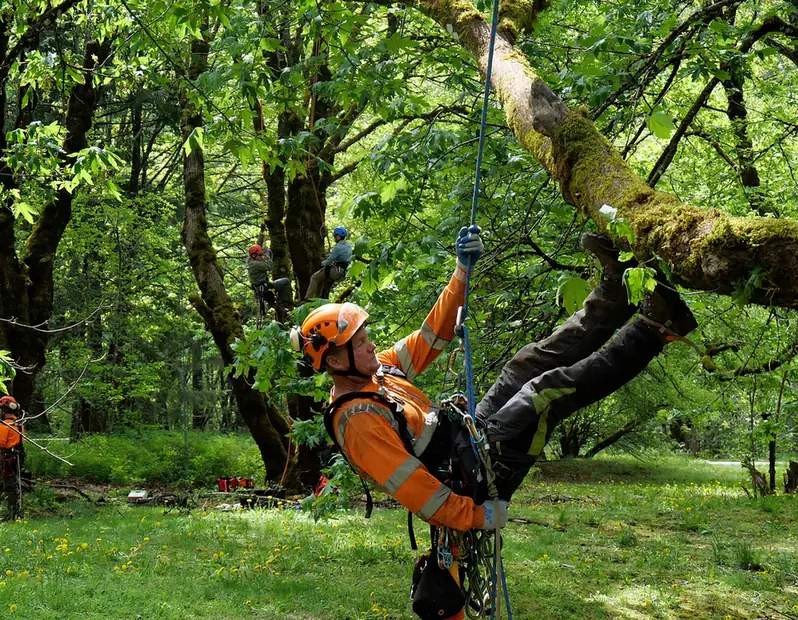
Felled whole where there is room to lay it out, otherwise dismantled from the top on ropes.
Read more
What gets cut this winter shows up for the next decade. Cuts land outside the collar, the total for one season stays modest, and nothing here gets stubbed back.
Anybody can run a saw. The judgement is quantity, placement and calendar, and that is the part you are actually paying for.
Start with the complaint rather than the tree. Too dark, too low over the cars, too close to the gutter, or dropping sticks on the lawn.
A look at the whole crown decides which of the four named cuts applies. Opening a canopy and shortening one are different operations.
Paperwork first: which cuts, on which limbs, for how much. Settled on the ground, not renegotiated from up the tree.
Cuts made, brush chipped, ground raked, and the chips left for your beds or taken away, whichever you asked for.
Ask which of the four you are buying, because the wrong one wastes a season and the wrong one twice ruins a tree. Thinning takes scattered live branches out through the canopy so light and air move, and leaves the outline exactly where it was. Raising strips the bottom' tier only, for headroom over cars and gutters. Reduction genuinely shrinks a tree, cutting each leader back to a side branch strong enough to take over the job. Deadwooding just clears what has already died. Too big for the garden is a reduction problem, and it is never a topping problem. Naming the cut is the difference between paying for a trim and paying for a scar.
We will tell you when a tree does not need pruning this year. That costs us the visit and buys the next one. What you get in writing is the objective, the cuts, the price and what happens to the brush, agreed before anyone leaves the ground.
Long-lived hardwoods on small lots. Oak and maple here put on length steadily for decades, so on a Parsippany lot limbs reach a roof they were never going to reach in 1965. Pruned on a cycle the ends stay short. Left twenty years, the same tree needs a reduction that reads as damage.
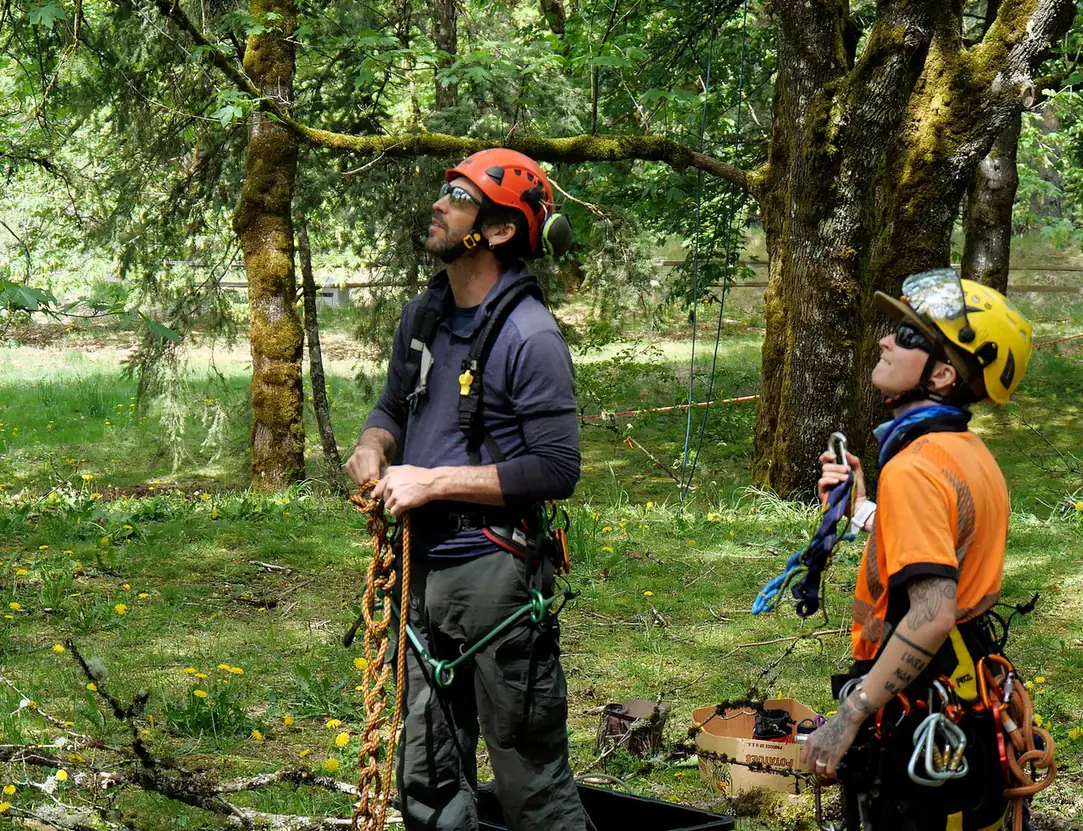
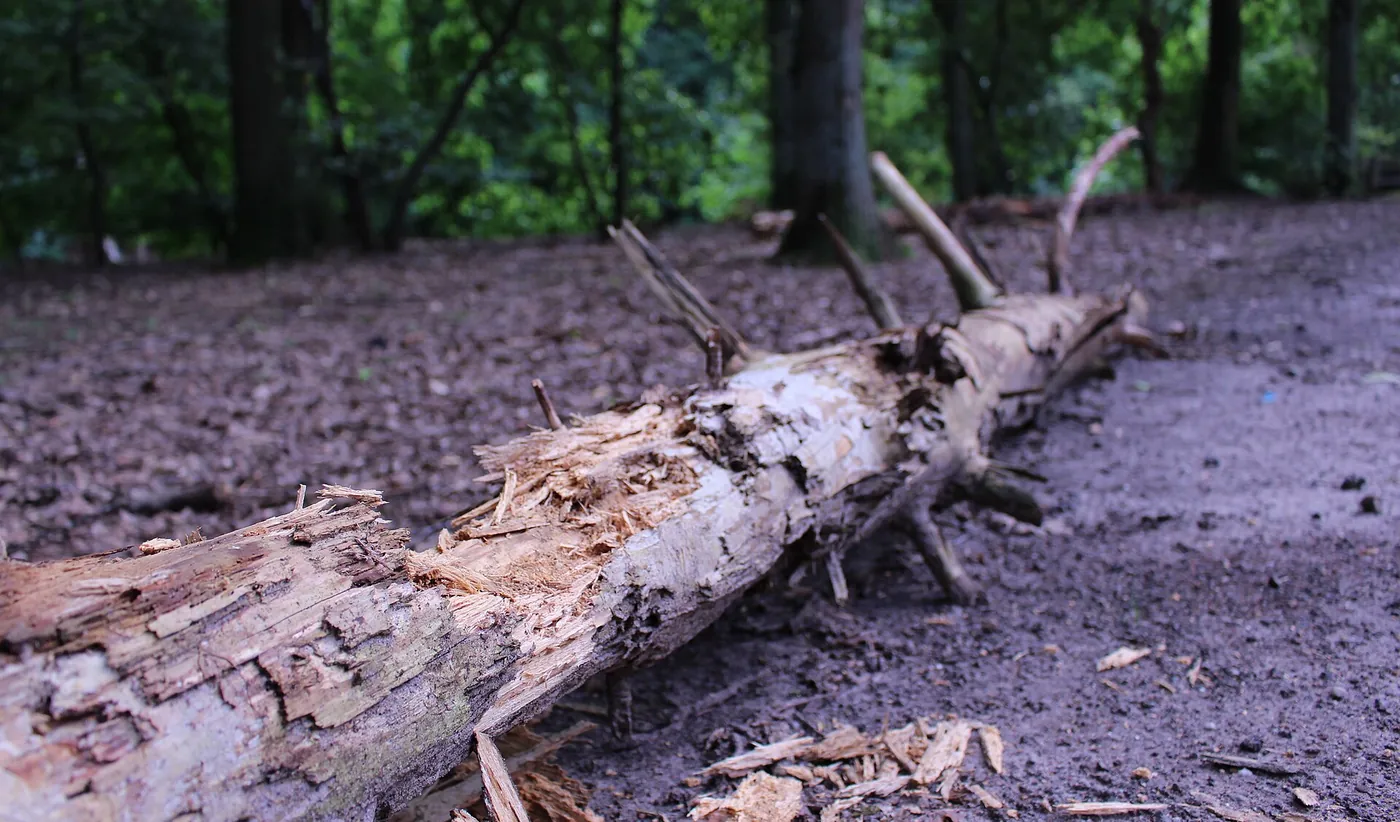
Everything a Morris County lot tends to need: takedowns, pruning, stumps, dead ash, storm callouts and clearing.
Felled whole where there is room to lay it out, otherwise dismantled from the top on ropes.
Read moreThinning, raising, reduction and deadwooding, cut at the branch collar and never topped.
Read more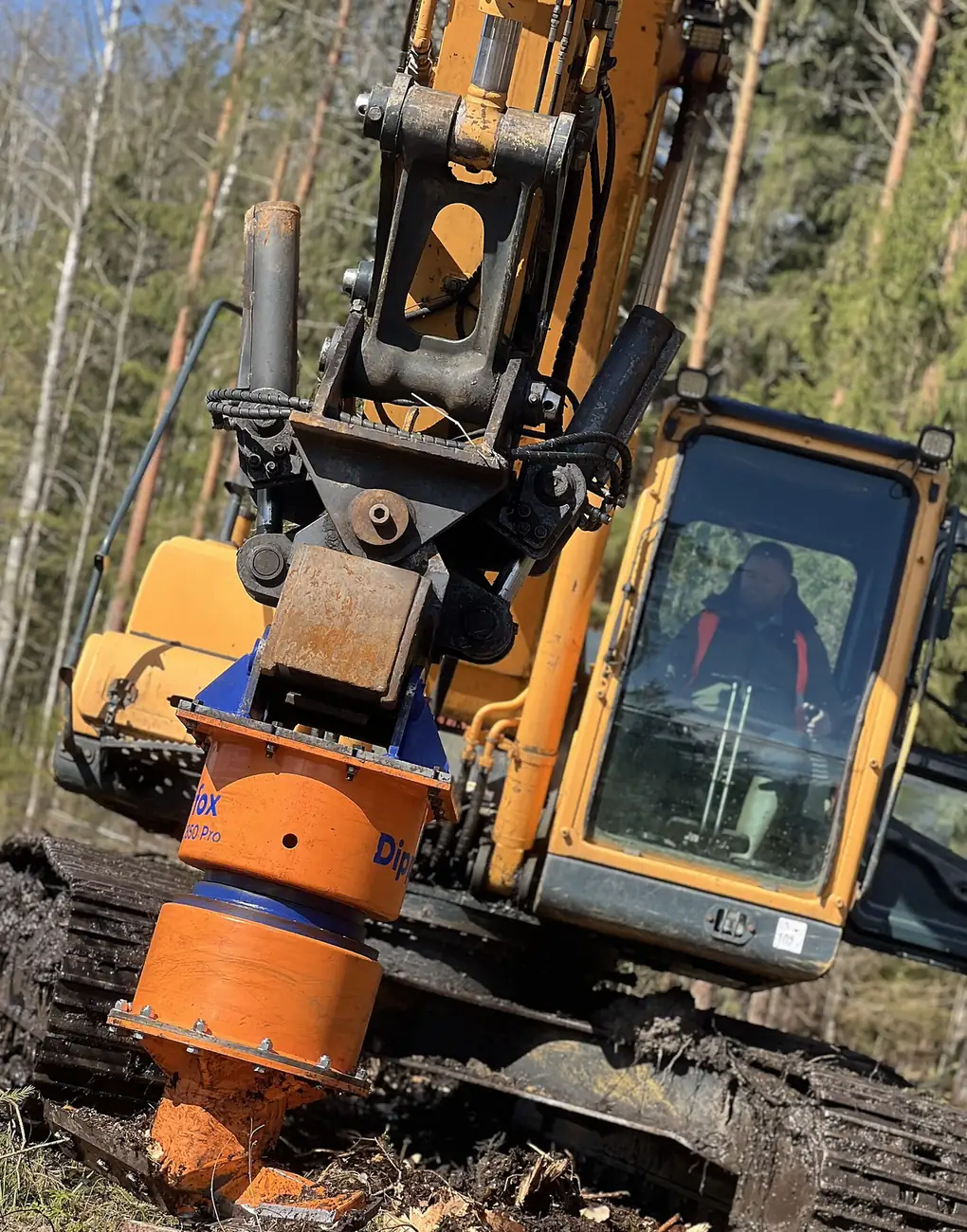
Chewed out below the surface until the ground will take turf, a shrub or a fence post.
Read more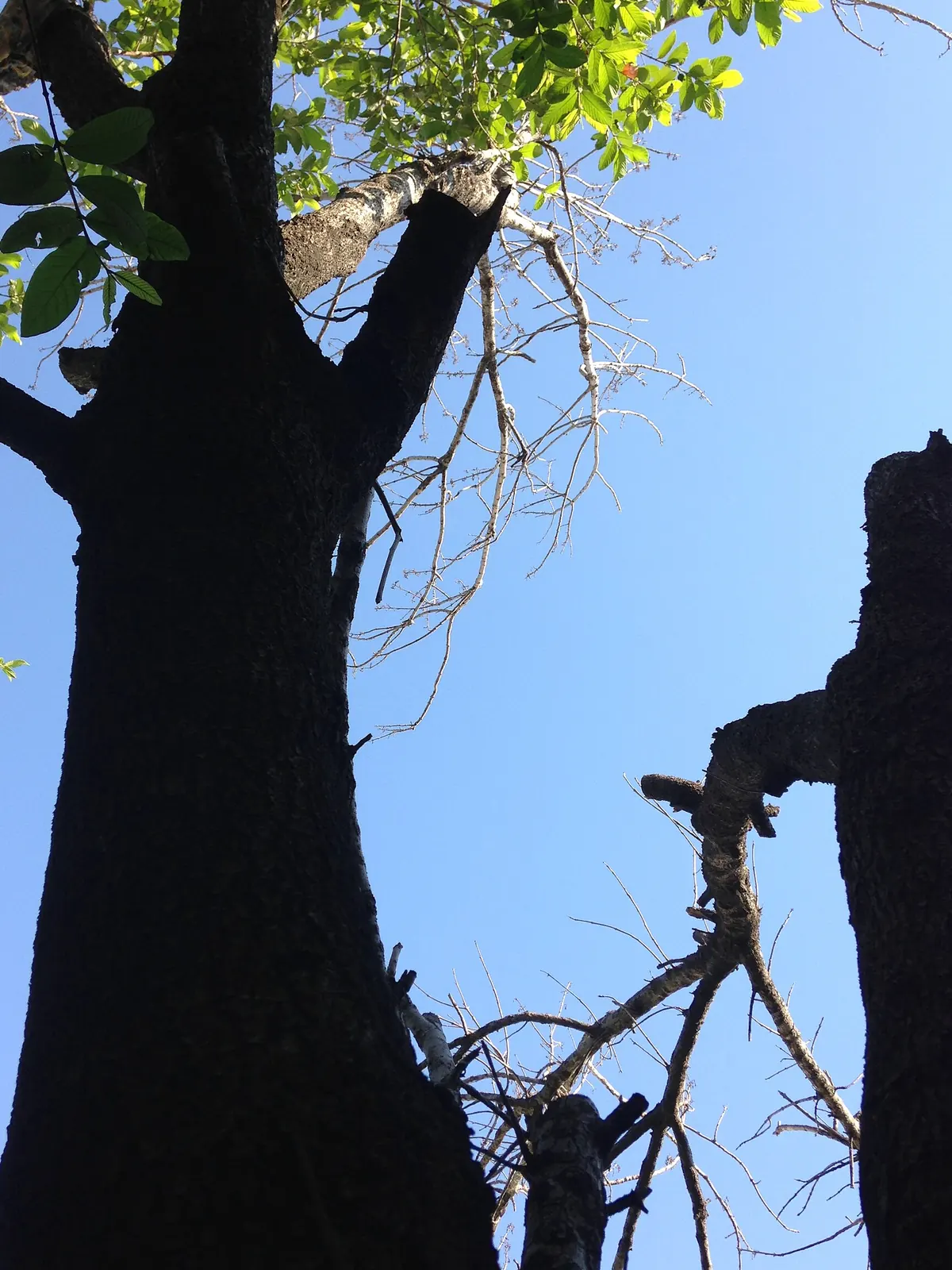
Trees on structures and blocked driveways first, then the rest of the hazard, then cleanup.
Read more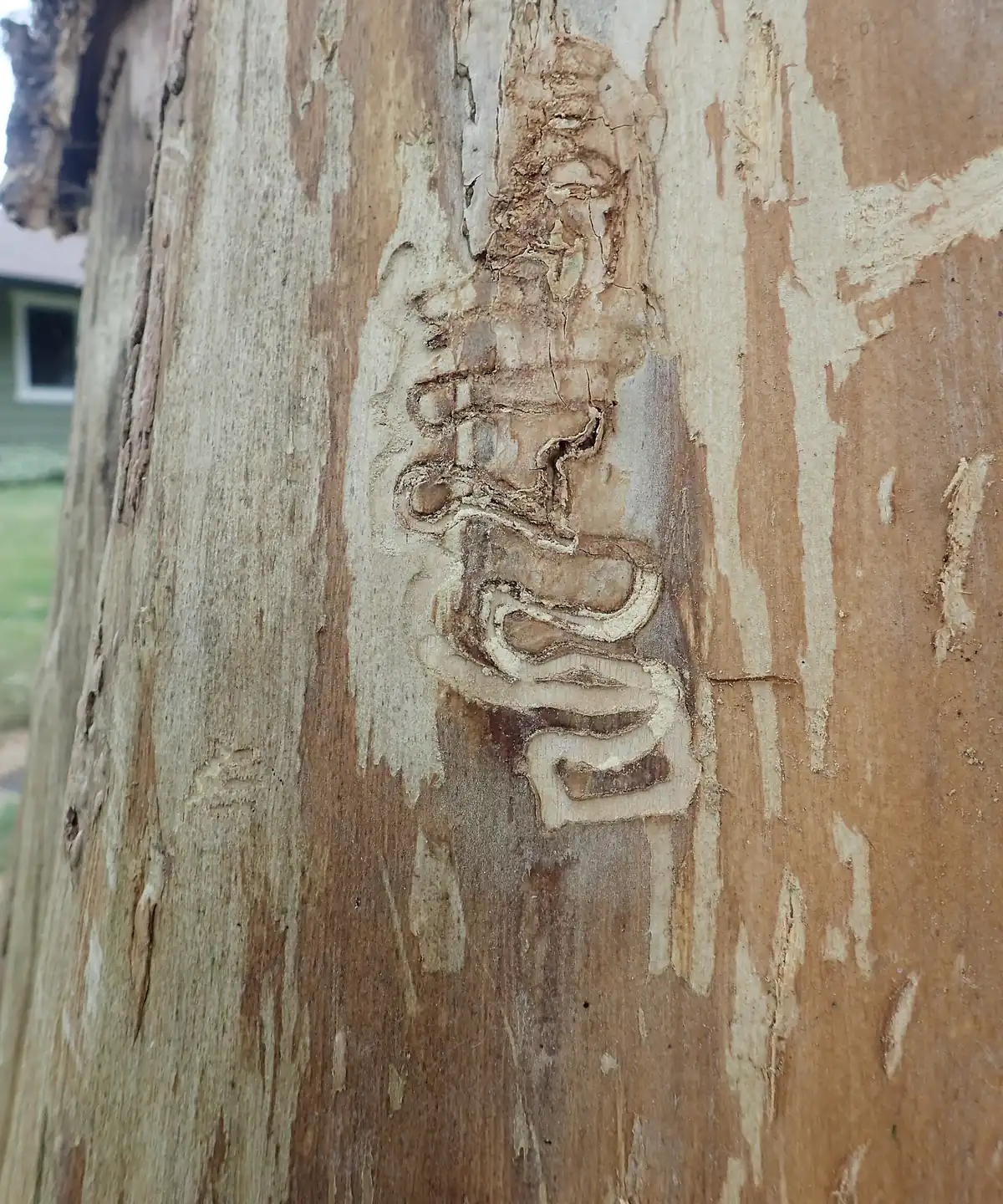
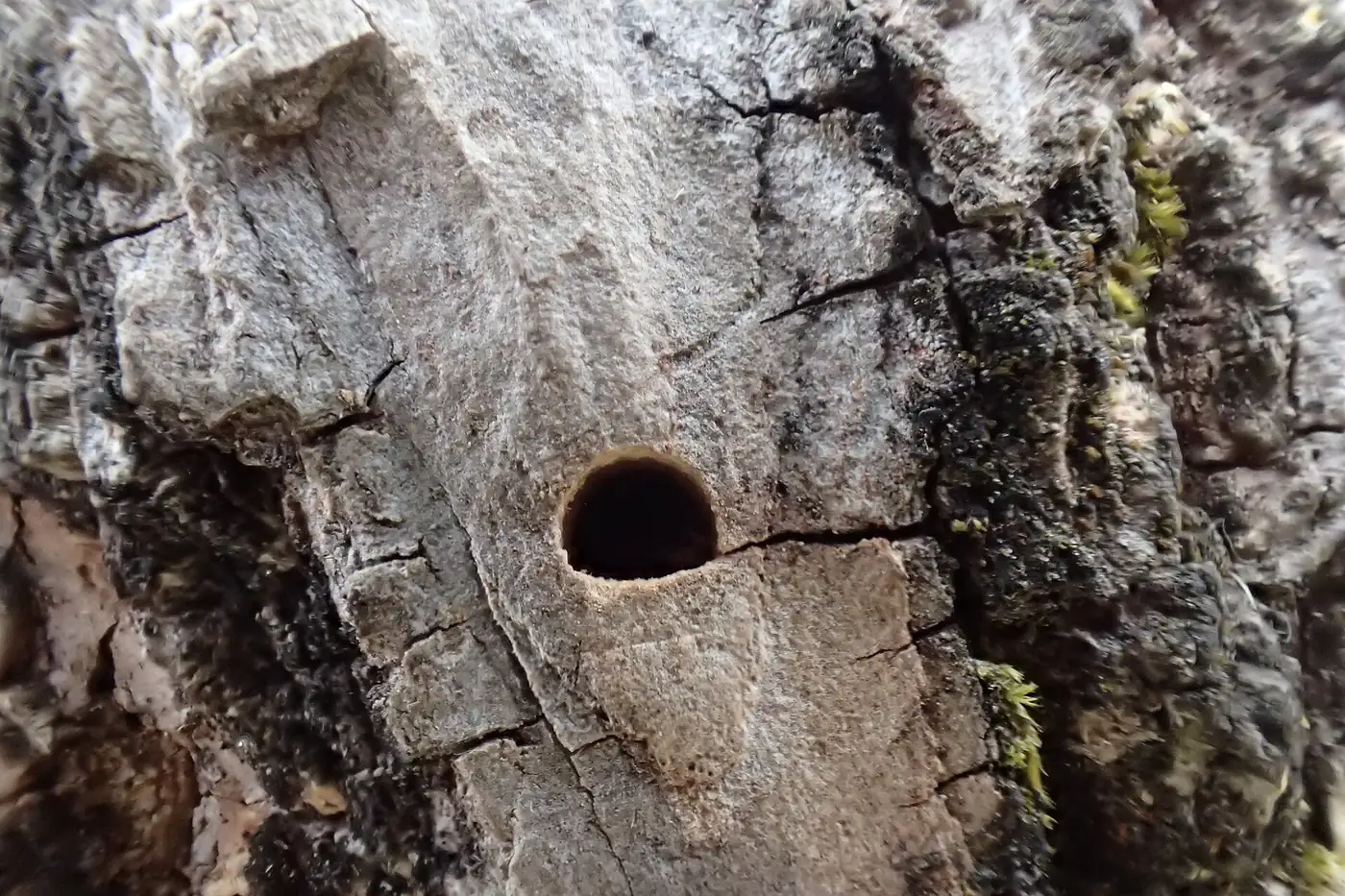
Standing dead ash, taken down the way brittle wood has to be taken down, not climbed.
Read more
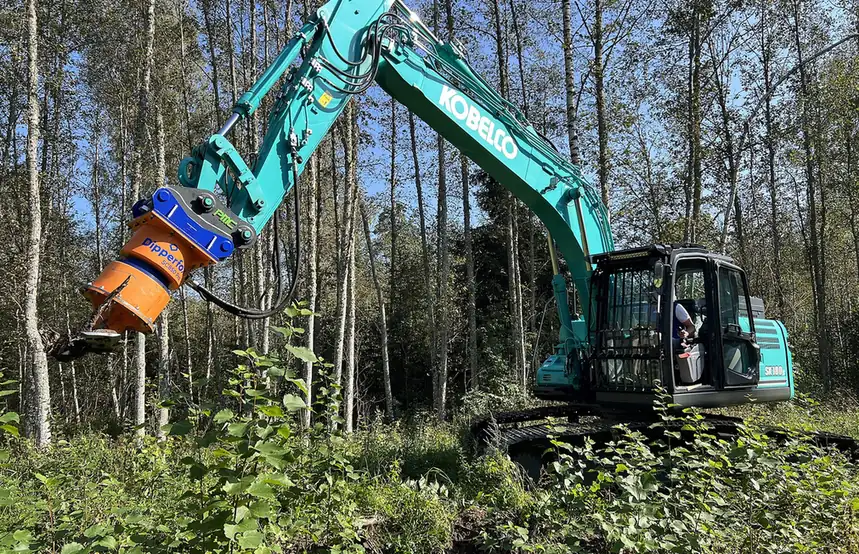
Brush, undergrowth and stems cleared to an agreed line, with the township threshold checked.
Read moreWe run Parsippany and the ring around it: Morris Plains, Denville and Boonton to the west, Montville north, East Hanover and Whippany south, Morristown and Randolph beyond. Same rates across the county, no travel line on the invoice.